
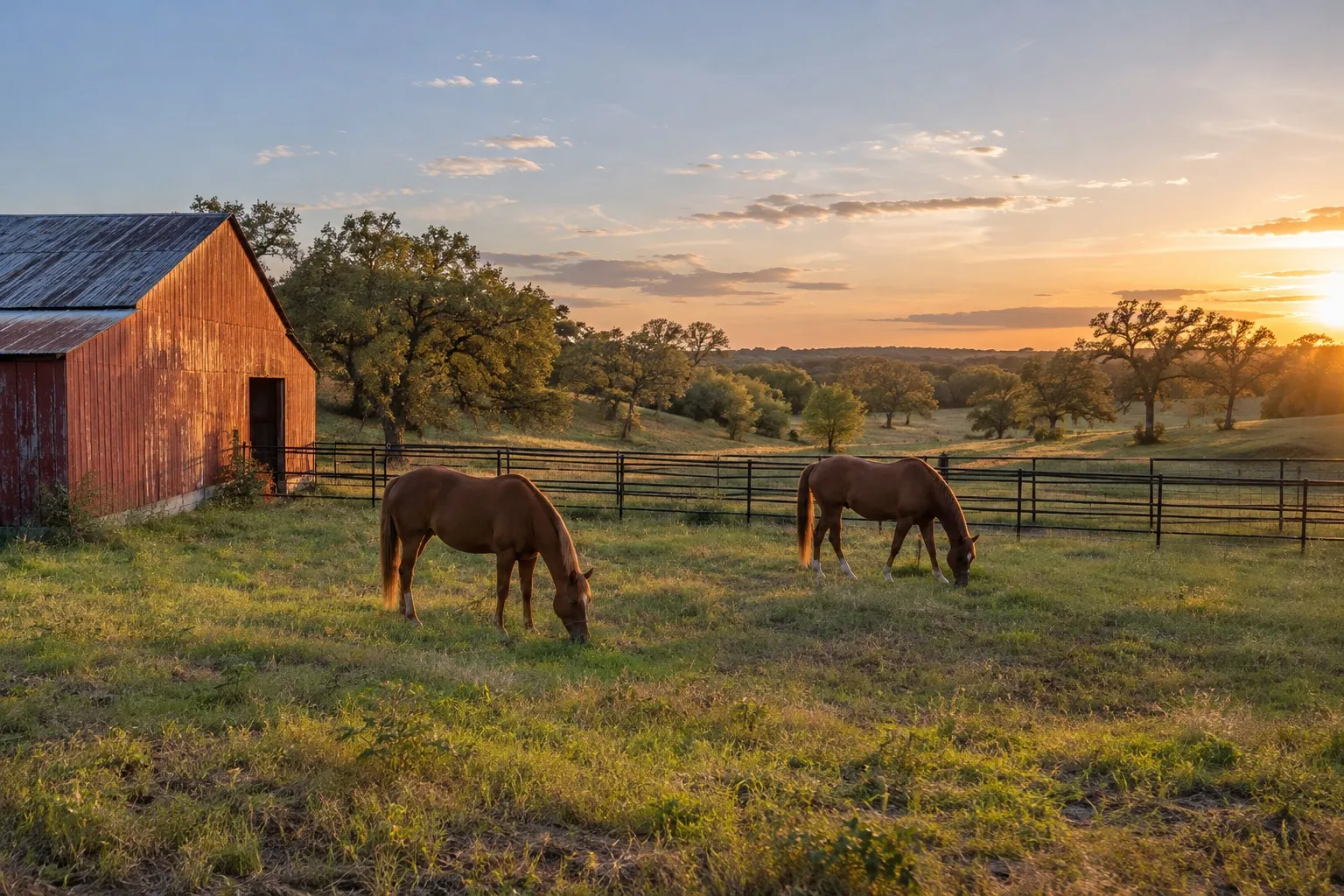
When people talk about an ag exemption in Texas, they usually mean the state’s open-space agricultural valuation (often called 1-d-1). Instead of taxing the land at market value, the county appraisal district taxes it based on its ability to produce agricultural income — which can lower property taxes dramatically.
It is not technically an exemption, and it doesn’t follow you automatically when you buy. Here is how the ag exemption in Texas works, how land qualifies and what buyers and sellers should ask.
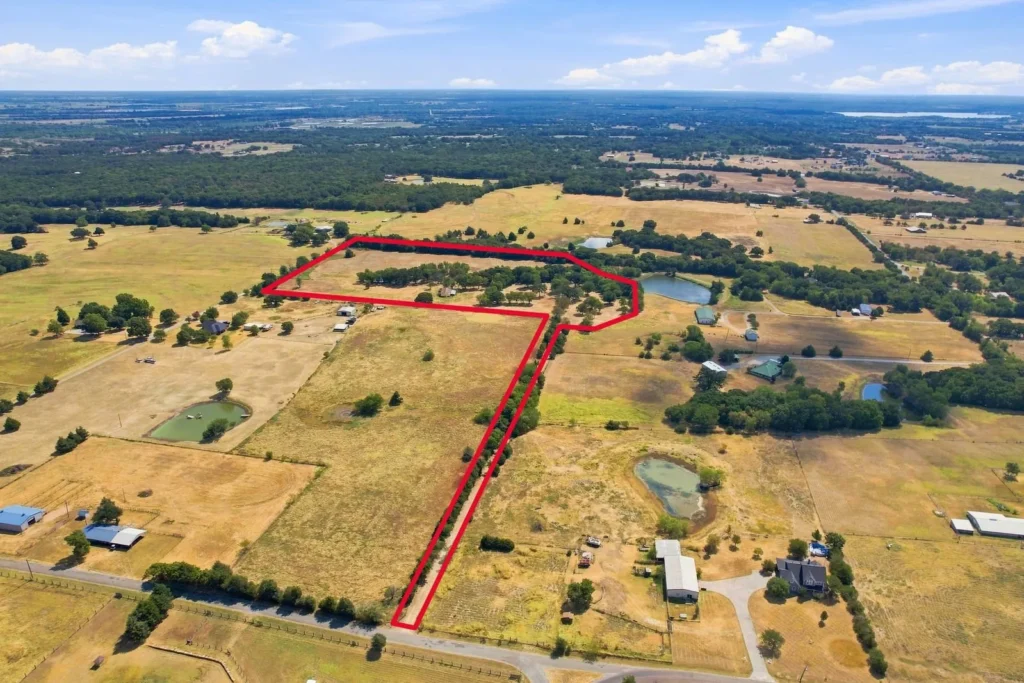
How land qualifies for an ag exemption in Texas
- The land’s primary use must be agriculture — grazing, hay, crops, beekeeping and similar uses.
- It generally must have been in agricultural use for at least five of the past seven years.
- It must meet the degree-of-intensity standards set by your county appraisal district, which vary by county and by type of use.
- Many appraisal districts set minimum acreage for some uses, such as grazing.
- The owner applies with the county appraisal district, usually by April 30.
The Texas Comptroller’s property tax pages explain the statewide framework, but the details that decide your tract — stocking rates, hay production, acreage — come from the local appraisal district.
What buyers should ask
Is the land currently valued as agricultural? How does it qualify — cattle, hay, a grazing lease? Will you continue that use after closing? If use changes, rollback taxes for prior years may apply, so build that into your plans before you subdivide or build a large home site.
Keeping the ag exemption after you buy
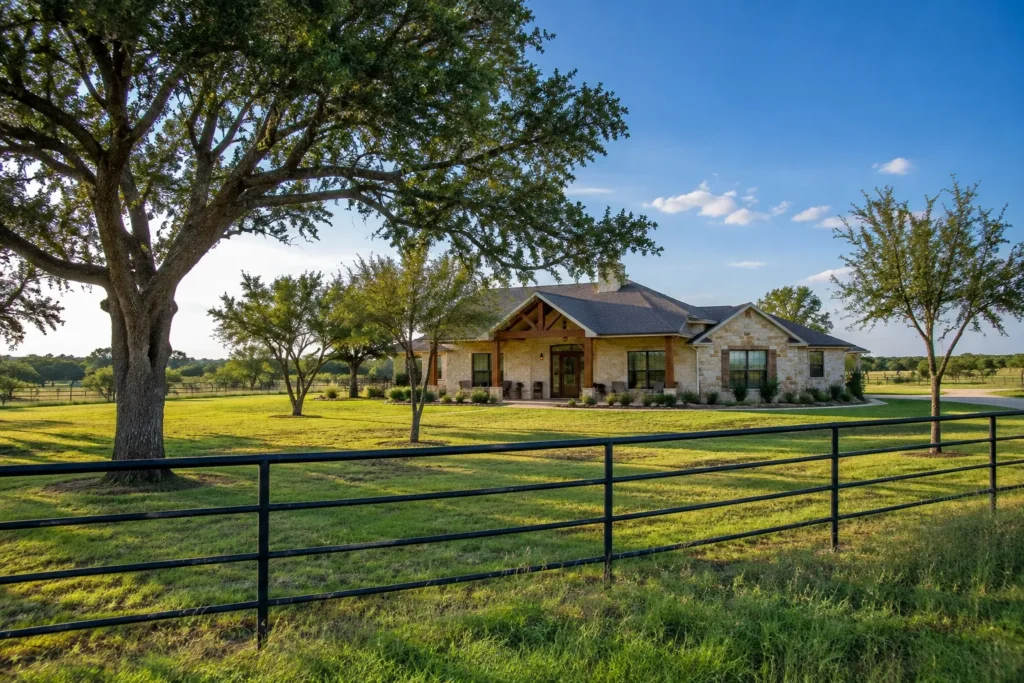
Valuation is tied to use, not ownership. New owners generally need to file their own application with the appraisal district, and many keep an existing grazing or hay lease in place so the use never stops. Ask for the current lease and the appraisal district’s records before closing.
What about wildlife management?
Land that already has agricultural valuation may be able to convert to wildlife management valuation by following an approved wildlife management plan. Owners typically carry out several of the recognized wildlife practices each year. Texas Parks and Wildlife publishes the guidelines and plan templates. It is a popular option for recreational owners.
Beekeeping and small tracts
Texas allows beekeeping to qualify smaller tracts — generally 5 to 20 acres — when the appraisal district’s intensity standards are met. It is a real option, not a loophole, and it takes ongoing records.
How much can an ag exemption in Texas save?
Savings depend on the gap between the land’s market value and its productivity value, which the appraisal district sets for each type of use. On raw pasture near fast-growing towns, that gap can be large, so the taxable value of the land may be a small fraction of what it would sell for. Homes, barns and other improvements are still taxed at market value, and your homestead exemption applies to the house and up to 20 acres.
Selling land with an ag exemption in Texas
Sellers should gather the appraisal district notice, any grazing or hay lease and records of the use. Buyers will ask how the land qualifies and whether they can keep it qualified. Having those answers ready makes the tract more attractive and avoids surprises at closing.
Ag exemption in Texas: quick answers
- It lowers taxes by valuing land on its productive use, not market value.
- It does not transfer automatically — the new owner applies.
- Changing the use can trigger rollback taxes.
- Wildlife management is an option once land already qualifies.
Shopping for acreage? See our farm and ranch and land and acreage pages, and read what to check before buying land in Fannin County.
Every county appraisal district has its own rules. We’ll help you confirm a property’s status before you buy. Get in touch →

Written by
Shayla EadlerLicensed broker, owner of Ten Twenty Realty and Top 1% producer serving Van Alstyne, Collin, Grayson, Fannin and Hunt counties and the North DFW area.