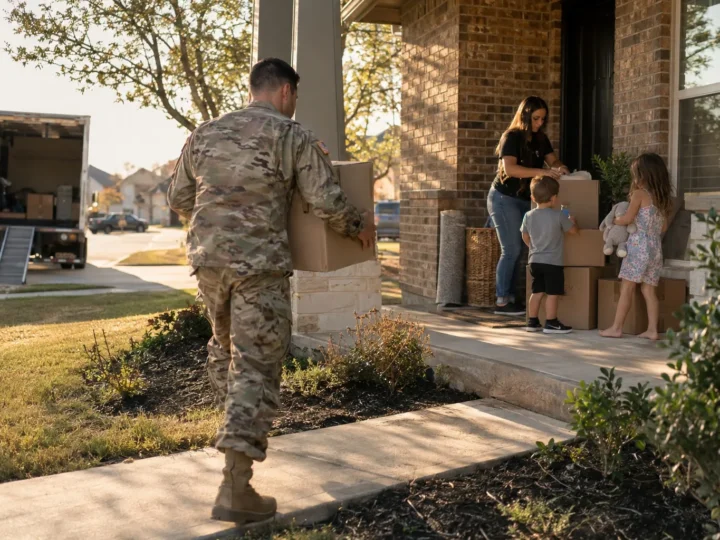

“What is my home worth?” is the first question most sellers ask. Online estimates are a starting point, but they struggle in North Texas, where one road can have a 1,500-square-foot starter home next to a custom home on ten acres.
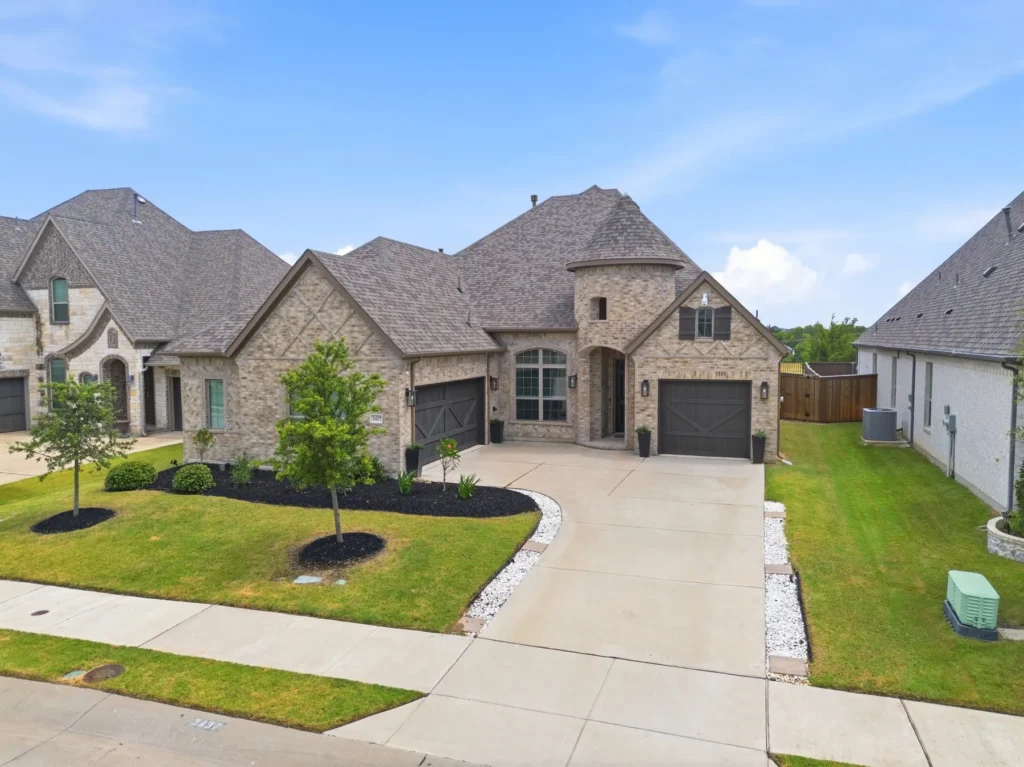
Why online estimates miss in Texas
Texas is a non-disclosure state: sale prices are not part of the public record, so automated estimates often rely on list prices, tax values and partial data. Tax appraisals from your county appraisal district, such as Collin CAD, are also built for taxation, not for pricing a sale. That is why the answer to “what is my home worth?” needs local sales data that agents can see in the MLS.
What drives value here
- Recent comparable sales nearby — not just the same zip code
- Lot size, acreage and usable land
- Updates, finishes and condition
- School district and total tax rate
- Outbuildings, shops and barns
- Current competition from new construction
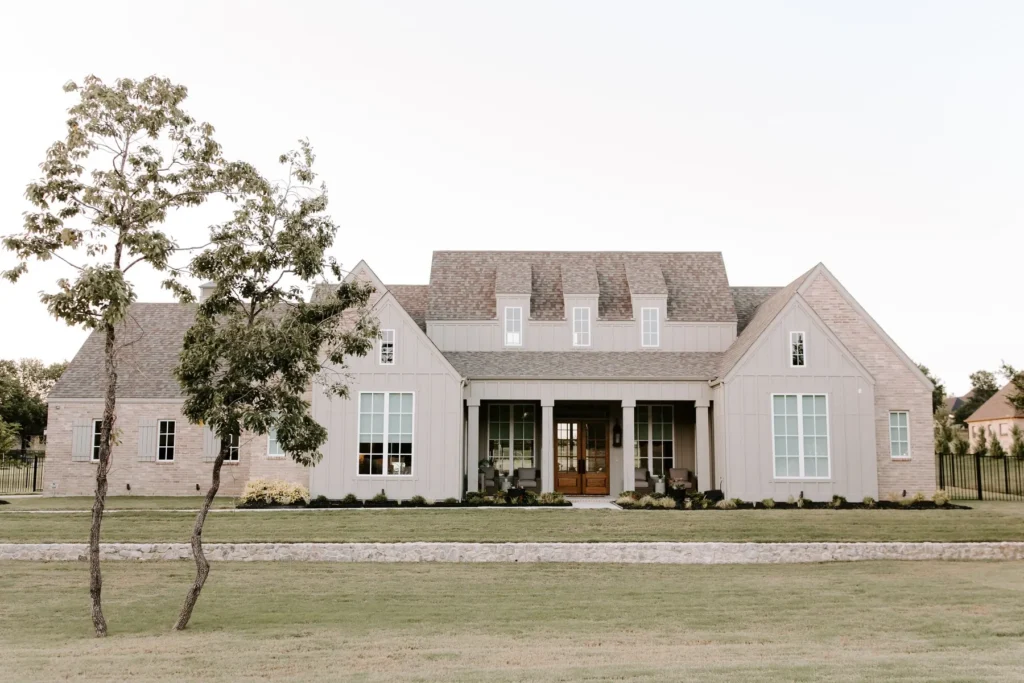
Acreage, shops and barns
A detached shop, a barn, a stocked pond or fencing for horses adds real value that a square-foot formula can’t see. On rural property we compare land value and improvements separately, then check the result against recent rural sales.
Timing and competition
Value also depends on what you are competing with this month. In fast-growing towns, builders’ incentives on brand-new homes can set the ceiling for resale prices nearby. Market trends from the Texas Real Estate Research Center help, but the closest signal is what sold and what is pending on your side of town.
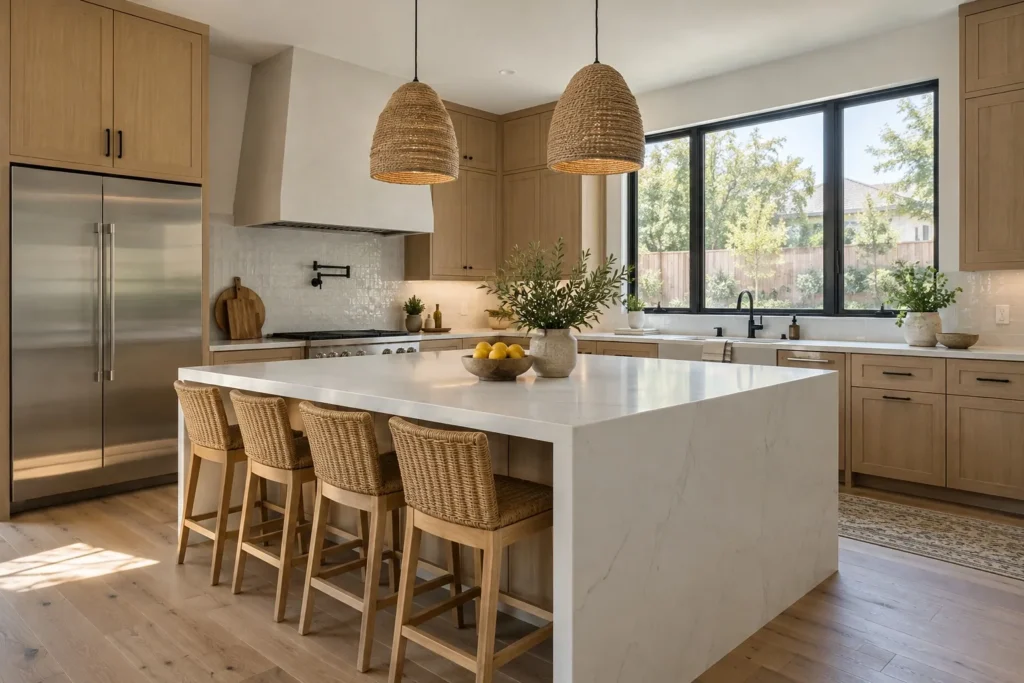
What is my home worth? Get a real number
A Comparative Market Analysis (CMA) from a local agent looks at the details that matter: the right comparable sales, your updates, your land and today’s competition. Ours is complimentary and comes with a plan to help you net the most. Request your free home value estimate to get started.
What is my home worth vs. what will it sell for?
Value is a range; the sale price is one point in it. Pricing, presentation and timing decide where you land. A home that is priced right, photographed well and launched with a Coming Soon campaign tends to draw more buyers in the first two weeks — and that competition is what pushes a sale toward the top of the range.
Should you update before you sell?
Not always. Fresh paint, landscaping, lighting and small repairs usually pay for themselves; full remodels rarely do right before a sale. We look at what similar homes that sold quickly had in common, then recommend only the projects that change what your home is worth to the buyers shopping in your price range.
How long does a CMA take?
Ours usually takes one business day. We review recent sales, pending sales and active competition, then walk through your home in person or by video so the updates and land are counted. You get a recommended price range, a short list of improvements worth making and a marketing plan — with no obligation.
Before you ask what is my home worth, gather this
- A list of updates with approximate dates and costs
- Your survey and any recent appraisal
- Utility details for rural property: water, septic, electric
- HOA, MUD or PID information
- Anything you know a buyer will ask about
Ready to plan your sale? Read our home seller guide or see how we market homes on our sell your home page.
Request your free home value estimate — we’ll send a real CMA, not an automated guess. Get in touch →

Written by
Shayla EadlerLicensed broker, owner of Ten Twenty Realty and Top 1% producer serving Van Alstyne, Collin, Grayson, Fannin and Hunt counties and the North DFW area.